
Culinary Travel: Exploring the World Through Food Experiences
2/28/20268 min read

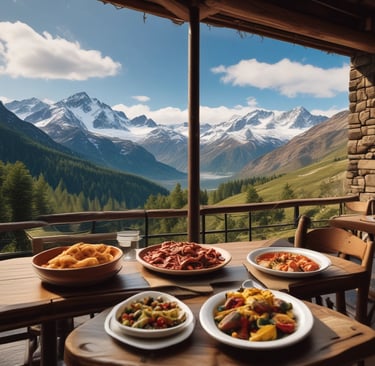
Culinary travel encompasses the exploration of culture through its food, providing a unique lens through which to examine the diverse traditions and practices of various regions around the globe. This form of travel is not merely about tasting new dishes; it is an immersive experience that engages the senses and deepens the understanding of a destination. Food, as a universal language, can bridge cultural divides and foster connections between travelers and locals, enabling a richer journey than might be experienced through traditional sightseeing alone.
Every meal shared can reveal stories of history, social norms, regional ingredients, and cooking techniques passed down through generations. For instance, in Italy, savoring a plate of handmade pasta is not just about the flavors, but also the art of the craft associated with it—one that dates back centuries. Similarly, in Thailand, street food markets offer insights into the culinary heritage of the region, showcasing the fusion of flavors that go as far back as ancient times. By engaging in these food experiences, travelers can gain deeper insights into the identity and soul of a destination.
The significance of culinary travel extends beyond mere taste—it's an opportunity to engage with different cultures on a visceral level. Participating in cooking classes, visiting local markets, or even dining with families can create lasting memories and enlightening experiences. These activities often turn a simple trip into an adventure that nourishes the body and mind, as they forge connections and evoke emotions tied to the experiences around food. By understanding the culinary practices that shape a culture, travelers not only enrich their personal journeys but also contribute to the preservation and appreciation of gastronomic traditions worldwide.
Embarking on Local Food Adventures
Culinary travel offers an unparalleled opportunity to immerse oneself in different cultures, primarily through their food. Personal stories from travelers who have embarked on local food adventures capture the essence of these experiences vividly. For instance, one traveler recounted their experience in Thailand, where they participated in a cooking class in a unique setting, overlooking lush rice paddies. The class allowed them to learn not only how to prepare traditional dishes like Pad Thai and Green Curry but also to understand the local ingredients and their significance in Thai cuisine.
Another inspiration comes from exploring farmers' markets in Italy, where a traveler discovered the joy of seasonal produce. The vibrant market, bustling with locals, offered a plethora of fresh ingredients. As the traveler interacted with local vendors, they not only collected fresh tomatoes, basil, and mozzarella for a Caprese salad but also gained insights into how these ingredients play a pivotal role in Italian culinary traditions. These markets do not merely serve as shopping venues; they are a celebration of local foods and community.
A different narrative comes from visits to Mexico, where a group of friends participated in a street food tour. They ventured through colorful neighborhoods, tasting various local dishes, from tacos al pastor to elote. Each bite told a story of the region’s history and culture. The guide shared fascinating anecdotes about the origins of these street foods, enriching the experience further. This culinary adventure not only tantalized their taste buds but also forged lasting memories of laughter and camaraderie.
These stories exemplify how engaging with local food experiences can transcend mere dining. Travelers find themselves traveling beyond taste, delving into the heart of cultures through their culinary habits, traditions, and communal gatherings. The excitement of tasting unique dishes, visiting farmers' markets, and participating in cooking classes consistently inspires many. Such adventures reveal the profound connection between food and cultural identity, proving that culinary travel can be an enriching experience for anyone willing to explore.
Recommended Culinary Experiences
Traveling is an enriching endeavor, particularly when it comes to exploring local cuisines. Here, we present a curated list of must-try restaurants and food tours across several popular destinations. Each experience offers a unique taste of the local culture, making your culinary travels even more rewarding.
In Tokyo, Tsukiji Outer Market stands out as a premier culinary destination. This bustling market is renowned for its fresh seafood and vibrant atmosphere. Visitors can sample dishes such as sushi and grilled seafood skewers while admiring the craftsmanship of local vendors. To enjoy the freshest offerings, it is advisable to visit early in the morning when the market is at its peak.
Moving to Italy, food lovers cannot miss Trattoria da Enzo al 29 in Rome. This charming eatery is famous for its traditional Roman dishes, notably the cacio e pepe and amatriciana. The cozy ambiance, characterized by rustic decor and friendly service, adds to the dining experience. Reservations are recommended due to its popularity among both locals and tourists.
In Spain, a tapas tour in Seville offers an immersive culinary experience. Led by knowledgeable guides, these tours take participants through various local establishments where they can savor a wide array of tapas, from ibérico ham to patatas bravas. It’s a fantastic way to engage with the culinary culture, and booking in advance is suggested to ensure availability.
Lastly, consider the St. Lawrence Market in Toronto, Canada, known for its diverse food offerings. With over 120 vendors, guests can indulge in everything from artisanal cheeses to gourmet sandwiches. The vibrant market setting is perfect for exploring local flavors and purchasing unique ingredients. Timing your visit during weekday mornings can help avoid crowds.
Experiencing the rich tapestry of global cuisines through these destinations will undoubtedly enhance your culinary travel adventures. Embrace the journey and discover how food can connect us to different cultures around the world.
Delectable Recipes from Around the Globe
Travel often enriches our palates and provides a deeper appreciation for culture through its culinary offerings. This section showcases a collection of delectable recipes inspired by diverse destinations, allowing readers to re-create authentic flavors at home. Each recipe not only highlights individual components but also tells a story of its origin, reflecting the traveler's journey and experiences.
One such recipe is the classic Italian Risotto, originating from the northern regions of Italy. This creamy rice dish embodies the essence of Italian comfort food. It is traditionally infused with broth, which may include seasonal vegetables, seafood, or meats, creating a harmonious blend of flavors. The slow-cooking process allows for a rich, creamy texture that invites warmth and satisfaction. For those who have wandered through the picturesque streets of Florence or Venice, this dish evokes memories of leisurely meals shared with loved ones.
Another enticing recipe comes from the vibrant streets of Bangkok—the famous Pad Thai. This dish is a delightful amalgamation of flavors, including tamarind, fish sauce, and chili, which gives it a unique tanginess. Pad Thai has deep historical roots, believed to have been popularized during World War II as a national dish. Preparing this recipe offers a chance not only to experience the taste of Thailand but also to understand the narratives behind its ingredients and their significance in Thai culture.
A similarly impactful dish is the Moroccan Tagine, a slow-cooked stew named after the cooking vessel used to prepare it. This dish reflects the rich spices and dried fruits that are integral to Moroccan cuisine, offering a range of flavors from sweet to savory. Tagine often incorporates lamb, chicken, or vegetables, and is usually served with couscous. For anyone lucky enough to have wandered through bustling souks in Marrakech, the aroma of spiced dishes remains unforgettable.
Cooking these recipes at home promises not just a meal, but a journey back to treasured travel experiences and an opportunity to share them with friends and family, connecting them to the beautiful tapestry of global cuisine.
Insights from Local Culinary Experts
In the realm of culinary travel, engaging with local chefs and food bloggers offers invaluable perspectives that transform ordinary meals into extraordinary experiences. Through interviews with these culinary experts, travelers can gain a deeper understanding of regional cuisines, unique cooking techniques, and the latest culinary trends shaping the food landscape.
For instance, speaking with a chef in Tuscany reveals the importance of seasonal ingredients and traditional methods. The chef might emphasize the value of harvesting fresh produce from local markets, which not only enhances the flavor but also sustains the community. Such insights underscore the concept of farm-to-table dining, a principle that is gaining traction worldwide. By respecting local agricultural practices, chefs can create dishes that showcase authentic flavors and honor the land.
Similarly, food bloggers provide a modern twist on culinary exploration. They often share their personal experiences visiting street food vendors or exploring hidden gems in bustling cities. By detailing the preparation methods and traditional spices used in these dishes, bloggers offer a unique narrative that enriches travel experiences. Their engaging storytelling often captures the essence of a region, allowing readers to visualize and almost taste the culinary delights they describe.
Trends also emerge from these expert discussions, with many chefs highlighting the influence of globalization on local cuisines. The fusion of diverse cooking styles and ingredients can lead to innovative dishes that maintain a connection to their roots while appealing to modern palates. By understanding these trends, culinary travelers can appreciate how cultures intertwine and evolve through food.
Exploring the culinary insights from local experts reinforces the idea that every destination has a rich tapestry of flavors waiting to be uncovered. Engaging with chefs and food bloggers allows travelers not only to taste culture but also to experience it in a more profound way.
Tips for Finding Authentic Dining Experiences
When traveling, discovering authentic dining experiences can significantly enhance your culinary journey. One of the first strategies is to seek out local eateries rather than well-known tourist spots. These establishments often reflect the true flavors and culture of the region. Begin by exploring neighborhoods away from popular tourist attractions. Look for places bustling with locals, as they often suggest a high-quality dining experience. Utilizing apps and websites designed for locating restaurants can also provide insights into eateries that are favored by residents.
Another effective method is to engage directly with locals. Striking up conversations with residents can yield valuable recommendations for lesser-known dining gems. Ask hotel staff, shop owners, or even fellow travelers for their favorite spots. Their personal experiences frequently lead to hidden treasures, allowing you to taste authentic dishes that tourists might overlook. Additionally, participating in food tours can offer a structured opportunity to immerse yourself in the local culinary scene while receiving guidance from knowledgeable locals who possess a deep understanding of their regional cuisine.
Furthermore, it is beneficial to do some background research before your trip. Investigate food blogs, social media groups, and culinary forums to gather insights into authentic dining options. Highlighted dishes, chef profiles, and restaurant reviews can help you make informed choices. When evaluating menus, look for items that incorporate local ingredients or reflect traditional cooking methods, as these choices often represent the essence of the local cuisine.
Avoiding tourist traps is essential for a genuine experience. To identify these, watch for signs such as overly aggressive marketing strategies, inflated prices, or menus available in multiple languages targeting tourists. By being mindful and proactive in your dining choices, you can confidently seek out authentic culinary experiences throughout your travels.
Conclusion: Savor the Journey
As we have explored the intricate relationship between travel and food throughout this blog post, it becomes evident that culinary experiences are fundamental elements of any adventure. Food acts as a gateway to understanding diverse cultures, reflecting their history, values, and traditions. Each meal is a narrative, woven with ingredients that have traveled through time and across borders, thus offering travelers unique insights into the places they visit.
Travelers have the opportunity to engage with local communities, supporting artisans and farmers while savoring authentic flavors. Participating in culinary tours, cooking classes, or food festivals can provide an immersive experience that goes beyond mere consumption. Through these interactions, one can foster meaningful connections with individuals and stories behind the dishes served. Food markets, street vendors, and family-run restaurants often become the most memorable dining experiences, leaving lasting impressions shaped by the warmth of hospitality and the richness of tradition.
Embracing culinary travel not only enriches your palate but also enhances your overall journey, cultivating a deeper appreciation for the world's diversity. As you embark on your next adventure, prioritize the local cuisine and its cultural significance. Seek opportunities to explore not just what is on your plate but the stories intertwined within each dish. By doing so, you will create a tapestry of experiences that reflects the soul of the destinations you visit. Instead of viewing food as a mere necessity, recognize it as an essential aspect of the human experience that bridges gaps between different cultures and unites people across the globe. Celebrate food as a universal language that enhances every journey.