
How to Pack Light for Any Trip: The Ultimate Guide for Stress‑Free Travel
3/11/20266 min read
The Benefits of Packing Light
Packing light is increasingly recognized as a fundamental element of stress-free travel. One of the primary advantages is the increased mobility it affords travelers. With fewer items to carry, moving through airports, train stations, or crowded streets becomes significantly easier. This newfound freedom enhances the experience, allowing travelers to navigate their surroundings more efficiently, whether they are exploring a new city or catching a connecting flight.
Furthermore, packing light can effectively reduce the overall stress associated with travel. Heavy luggage can be cumbersome and often leads to anxiety over potential lost bags or delayed baggage claims. A lighter load streamlines the check-in and security processes, allowing for quicker transitions from one stage of travel to another. This ease of movement contributes to a more enjoyable and relaxed journey, since travelers can focus more on their experiences rather than the logistics of managing an extensive wardrobe.
Another significant benefit to packing light is the potential for savings on baggage fees. Many airlines charge for checked bags, leading to additional costs that can impact a travel budget. By opting to travel with carry-on luggage only, one can avoid these fees, thereby reallocating funds towards experiences such as dining out or participating in local activities. Ultimately, this practice can enhance the overall enjoyment of a trip by freeing up financial resources for more memorable endeavors.
Beyond the practicalities, traveling light can inspire spontaneity. With less luggage to manage, travelers often feel more inclined to make impromptu decisions, whether it’s extending a stay or venturing off the beaten path. The ability to act quickly is a significant component of adventurous travel, enhancing the enjoyment and richness of the experience. By packing light, travelers open themselves up to a world of possibilities, leading to unforgettable journeys.
Essential Tips for Packing Light
Packing light is not merely about reducing the number of items you bring; it also enhances the overall travel experience. To begin with, creating a detailed packing list is vital. This ensures that you only bring the essentials, minimizing the risk of overpacking. A well-structured list can help eliminate redundant items, making it easier to keep your luggage manageable.
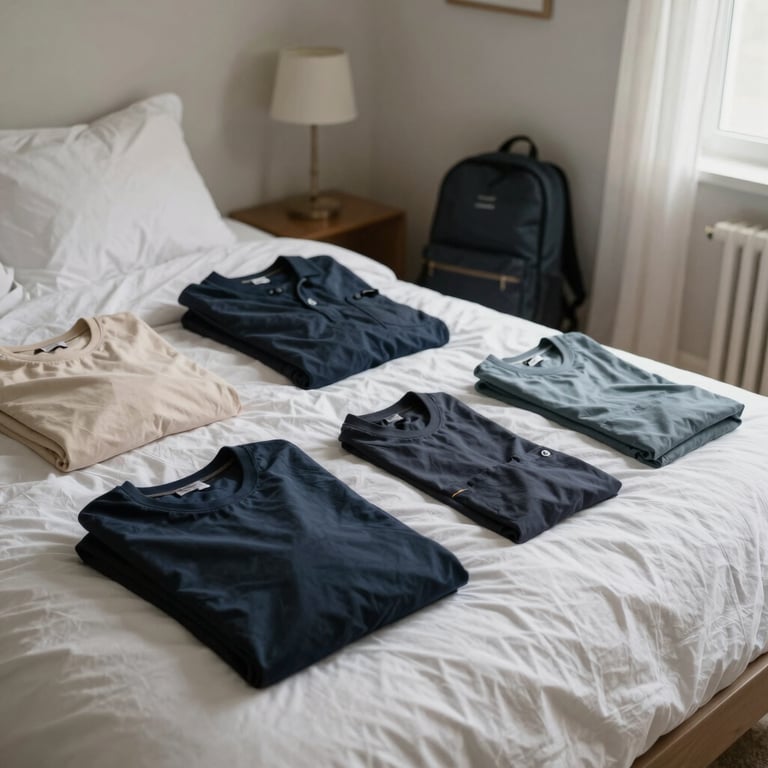
Clothing is where most travelers overpack. The secret is to choose items that mix and match easily.
• Neutral colors — Black, white, navy, beige, olive.
• Lightweight fabrics — Quick‑dry, wrinkle‑resistant, breathable.
• Layering pieces — A light jacket, a sweater, or a hoodie depending on climate.
• 2–3 tops, 2 bottoms, 1 outer layer — Enough for a week, even for longer trips
• Comfortable shoes — One pair on your feet, one in your bag.
Choosing versatile clothing is one of the most effective strategies for light packing. Opt for garments that can serve multiple purposes or be mixed and matched to create various outfits. Fabrics that are breathable and wrinkle-resistant also contribute to the ease of packing, allowing for a more streamlined wardrobe.
Pack Travel‑Sized Toiletries
Toiletries take up more space than most people realize. Keep them simple and compact.
• Solid shampoo and soap bars
• Refillable 100 ml bottles
• Multi‑use products (e.g., moisturizer with SPF)
• A small zip pouch to keep everything organized
Most destinations have stores where you can buy anything you forget, so there’s no need to pack full‑size products.
Bring Only Essential Gadgets
Technology can easily weigh down your bag. Stick to the essentials:
• Phone + charger
• Universal travel adapter
• Power bank
• Lightweight headphones
• Optional: compact camera or e‑reader
Avoid bringing multiple devices that serve the same purpose.
Another practical tip is to utilize packing cubes. These organizational tools help compartmentalize your belongings, allowing for better space management within your suitcase. By grouping items together, you can easily locate what you need without rummaging through your entire bag. Packing cubes also maintain the shape of your clothes, which can prevent wrinkling and save space.
When flying, be aware of personal item allowances set by airlines. Most airlines permit a personal item that fits under the seat in front of you. Make the most of this allowance by choosing a bag that is not only compact but also capable of holding your essential items. Prioritize those things you would need during the flight, such as travel documents, medications, and electronics.
Finally, mastering the art of maximizing luggage space is crucial. Roll your clothes instead of folding them, as this method saves space and reduces creasing. Consider also stuffing smaller items, like socks or chargers, into shoes. This approach makes the most of every inch of your luggage, keeping it light and organized throughout your travels.
Choosing the Right Luggage
Your bag determines how much you bring, so choosing the right one is the foundation of packing light.
• Carry‑on backpack (30–40L) — Ideal for most trips. Lightweight, flexible, and easy to carry.
• Small rolling suitcase — Good for travelers who prefer wheels but still want to stay compact.
• Personal item only — Perfect for ultra‑minimalists or short trips.
Look for features like multiple compartments, durable zippers, and comfortable straps. A structured but not overly rigid bag helps you maximize space.
Selecting the appropriate luggage is a crucial step when packing light for any trip. Various types of luggage are available, each catering to different travel styles and preferences. Among the most popular options are carry-on bags, backpacks, and travel duffels, each offering unique advantages when it comes to size, weight, and practicality.
Carry-on bags are particularly ideal for travelers aiming to minimize checked baggage fees and streamline check-in processes. These bags must comply with airline regulations regarding dimensions and weight, which typically range from 22 to 24 inches in height. Opting for a lightweight, wheeled carry-on can save you from the strain of carrying heavy luggage while providing ample space for essentials. Additionally, a well-organized interior can assist in easy access to frequently used items, further enhancing your travel experience.
Backpacks present a versatile choice, particularly for those who prefer mobility and the freedom to navigate diverse environments. Modern travel backpacks often come equipped with compartments that facilitate organization, making it easier to locate items swiftly. A backpack’s hands-free capability is advantageous when commuting between transit points or engaging in activities during the trip. When selecting a backpack, consider features such as padded straps, breathable material, and accessibility to ensure comfort throughout your journey.
Other travel gear, like duffel bags, can also serve as acceptable options for light packing, especially for short trips or weekend getaways. They offer flexibility in packing and can be squeezed into tighter spaces. Whatever type of luggage you choose, ensuring it meets airline regulations and is easy to navigate through busy airports is paramount for a seamless travel experience. Prioritizing functionality and convenience will ultimately support your goal of packing light while still having everything you need at your fingertips.
Keep a Small “Go Bag” Inside Your Bag
A small pouch with essentials makes travel smoother:
• Passport or ID
• Wallet
• Phone
• Snacks
• Water bottle
• Hand sanitizer
• Earplugs
• Pen
This saves time at airports, train stations, and border crossings.
Overcoming Common Packing Light Challenges
Packing light can often present various challenges for travelers, particularly regarding psychological barriers and logistical difficulties. One common concern is the fear of leaving essential items behind. To overcome this anxiety, travelers can implement a strategic packing method. Creating a detailed packing list tailored to the specific trip can provide clarity and assurance. By listing only essential items, procrastination over which items to take diminishes, allowing travelers to focus on what truly matters for their journey.
Another challenge arises with the need to manage clothing options for different climates. Travelers should consider versatile clothing that can be layered and adapted easily. Choosing items made from lightweight, moisture-wicking fabrics can reduce baggage weight while ensuring comfort in varying temperatures. For instance, a long-sleeve zip-up can provide warmth when necessary and be easily removed to adapt to warmer conditions. If traveling between diverse climates, planning outfits around a core color palette can ensure that clothing pieces are interchangeable, thus minimizing the number of items needed.
Utilizing laundry services can significantly alleviate the burden of overpacking. Many hotels and hostels provide laundry facilities or services, allowing travelers to refresh their wardrobe without needing to bring excessive amounts of clothing. This can be especially useful for families or group travelers, where shared packing strategies can optimize space. Each family member could choose a cohesive color scheme or style, enhancing outfit combinations while maintaining minimal luggage. Additionally, employing packing cubes can aid in organization, making it easier to access items without rummaging through bags.
By addressing these challenges through thoughtful preparation and practical strategies, packing light can transform from a daunting task into a manageable and freeing experience. Embracing these solutions can lead to a more enjoyable travel experience that fosters exploration without the burden of heavy luggage. Packing light is one of the best travel habits you can develop. It saves money, reduces stress, and gives you the freedom to enjoy your trip fully. With the right bag, a versatile wardrobe, and smart packing techniques, you can travel anywhere — for any length of time — with ease.